
The Six Harmonies

Vol. 6. August 6, 2020

All things are different forms of the same thing.

P. G. Wodehouse once wrote, “It was a lovely day of blue skies and gentle breezes. Bees buzzed, birds tootled, and squirrels bustled to and fro, getting their suntan in the sunshine. In a word, all nature smiled.”

Ah, Summer!

What is it about summer that causes artists to rhapsodize? The clement weather? The happy sunshine? The soft breezes?

Buddhism blames it on the Six Harmonies.

The five senses, plus thought, apprehend the world of nature. The eyes see green trees. The ears hear birdsong. The nose smells flowers. The skin feels ants crawling on one’s bare feet. The tongue tastes an ice cream cone.

The mind thinks, “Ah, Summer!”

Thoughts, sights, sounds, flavors, odors and sensations blend together seamlessly, harmoniously, to give the impression of a beautiful, substantial world out there.

But it’s all an illusion. Anything grasped by the six senses resembles an illusion. At a fundamental level, all things are impermanent, and therefore, empty.

The reason why a summer sunset, or a relationship, is so beautiful is because it’s here today and gone tomorrow.

The Six Harmonies trick us into believing the world is separate from us. That it’s something we can divide, analyze, judge, classify, admire and adore.

But we are no different from it. We are it.

All things are different forms of the same thing.

Buddhism calls that “thing” the Dharmakaya.

Enough with karma. A little Dharmakaya please.

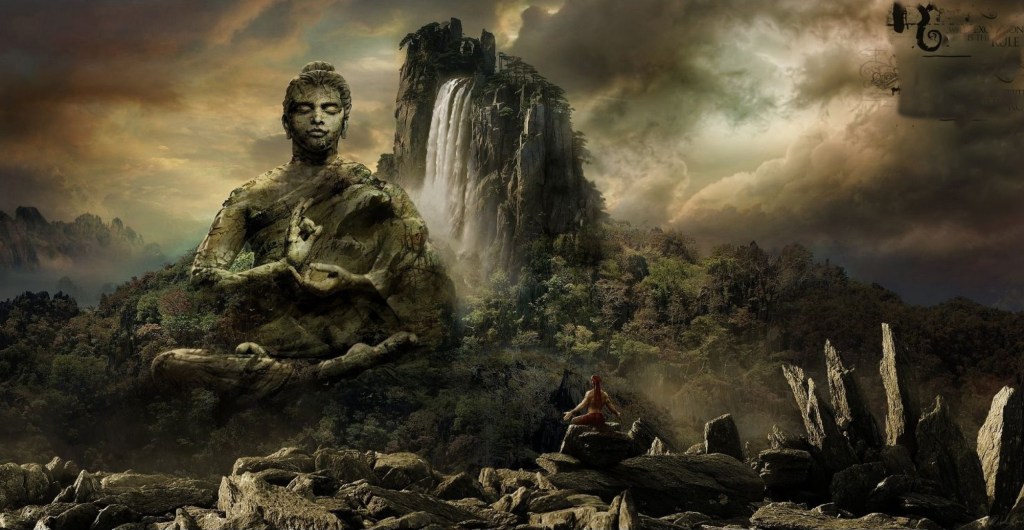
The Dharmakaya

The Dharmakaya is the unity of all things existing.

Wisdom is to see the shadows of the Six Harmonies as the unity of the Dharmakaya.

We glimpse it though meditation.

Buddhas come into the world and immediately grab shovels to rid themselves of intellectual crap and emotional garbage so they can perceive the pure Dharmakaya.

While we’re sitting around on a lazy summer afternoon, Buddhas are busy shoveling rubbish out of their minds.

When we do the same, we let meditation achieve its victory.

We are at one with all things existing.

We can then behold a beautiful summer day and sense that … all nature smiled.

Even you.

Transitions Are Difficult

Vol. 5. July 5, 2020

How does Zen approach the wedded bands of bliss?

Any transition is difficult. I recently got married, about a year ago. The transition from bachelorhood to married life has been not a bed of roses.

Adjusting to new sights, new smells, and new messes tests the limits of patience and forgiveness.

For a tidy guy to see wet towels strewn across the bathroom floor twists the tender soul into contortions. For a vegetarian to smell the odious odors of roasting carcasses in the kitchen turns the stomach.

Marriage, I’ve concluded, is a spiritual exercise.

How does a Zen Buddhist approach the bands of bliss? Like a koan.

A koan is a paradox. Paradox comes from two Greek words. “Para” meaning beyond, and “dokein” meaning thought. A koan is beyond thought.

I approach my wife and our marriage as a problem that cannot be solved through rational thinking.

I just let her be. I just let the whole thing be. I can’t explain it. I don’t understand it. I can’t control it.

But when I slow down, and meditate … the towels don’t bug me anymore. The roasting meat … I open a window. The constant noise chatter … eventually fades.

They’re just sights. They’re just sounds. They’re just smells. The mind in meditation is not attached to form.

Forms are empty. Clinging to forms creates suffering for ourselves and those around us.

The Heart Sutra says, “Form is emptiness. Emptiness is form.”


Life is a Koan

Zen master Hukuin (d. 1769) once said, “Let your whole life be a meditation cushion. Let the entire universe be your personal meditation cave.”

Approach life as a koan. Life is problem that can’t be solved through rational thinking.

Life exists in a way too marvelous for us to comprehend. Just rid yourself of conceptual thinking and you will have accomplished everything.

Would I recommend marriage?

Only if you decapitate yourself at the altar. Get your head out of the way.

Let it be. Meditate.

Then any transition is an easy one.

Diamond Graveyard Samadhi

Vol. 4. June 10, 2020

In memoriam of the hundred thousand

Tennessee Williams once wrote: “Life is an unanswered question. But let’s still believe in the dignity and importance of the question.”

The most lethal conflict in American history was the Civil War. 620,000 citizens died in four years.

In the current pandemic, more than 100,000 citizens have died in about 100 days.

To get a sense of the enormity of this tragedy, I spent a while in contemplation in Calvary Cemetery.

In Calvary, the diamonds of 80,000 dead egos lie underground, their lives celebrated in carved stones above. City fathers, former teachers, past parents, holy men and women. Chalices of emptiness.

The Victorian landscape weeps with ornate statues, sad crypts and mournful monuments.

Everything is bleak and silent. Seemingly in motion, seemingly still. Seemingly dead, seemingly alive.

Crickets crawl on the granite carved tags. Nameless names. Faceless faces. Lifeless lives. Deathless deaths.

“Oh, temporary aggregates, transient compounds bound to disintegrate and disappear, weep not for we are all embodiments of emptiness.

“I am not alive, anymore than you are dead.

“Do your dead ears hear the red robins singing?

“Do mine?”

The beauty of the moment. It’s all we got.

Sitting in a Graveyard

Too weary to worry about the world,

Too enlightened to take anything seriously,

But holy emptiness,

Temporarily thirsty in a shared desert of form,

Vying with this communion of saints,

I wonder: Who is more empty? Who is more silent? Who is more happy? Me or the dead?

“Life is an unanswered question. But let’s still believe in the dignity and importance of the question.”

More than 100,000 people started out this year thinking they would be living this summer. They’re gone.

But were we ever here?

We are The Lonely

Vol. 3. May 9, 2020

Bob Dylan once sang, we’re “all boxed in, nowhere to escape.”

Well, here we are, cooped up in Corona Town. There is no sports, little entertainment, no contact with friends. What have we gotten ourselves into?

We’re boxed up in four walls, dreading our neighbors, fighting fake news, fearing for our lives.

Is that any kind of life?

We are … The Lonely.

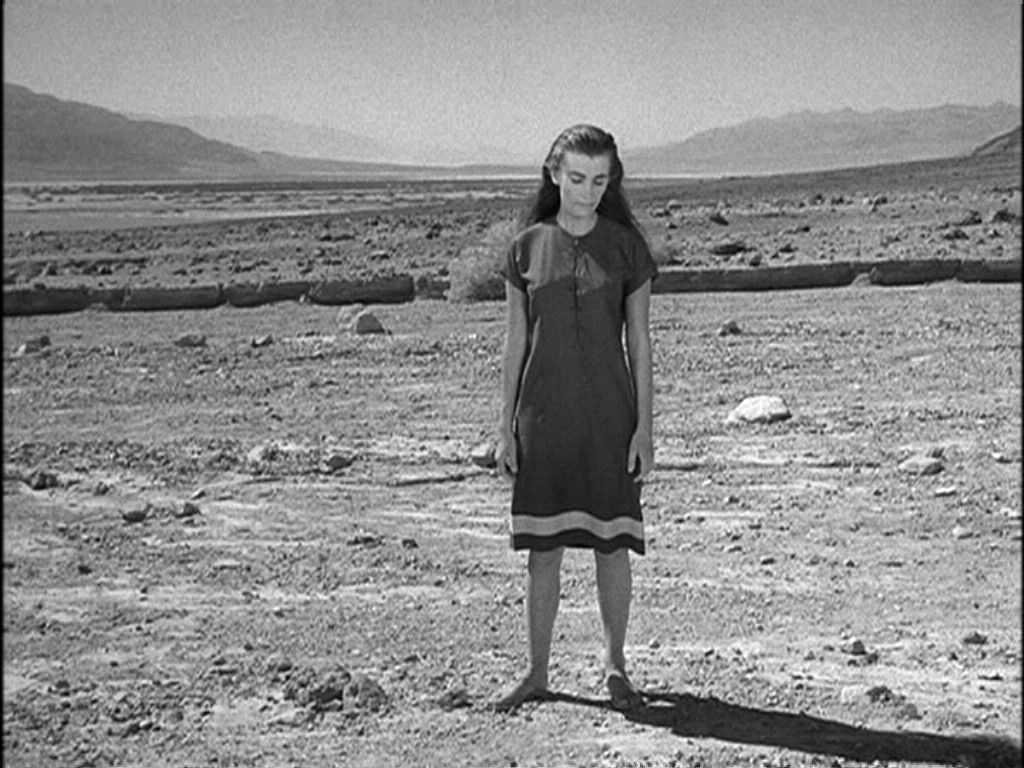
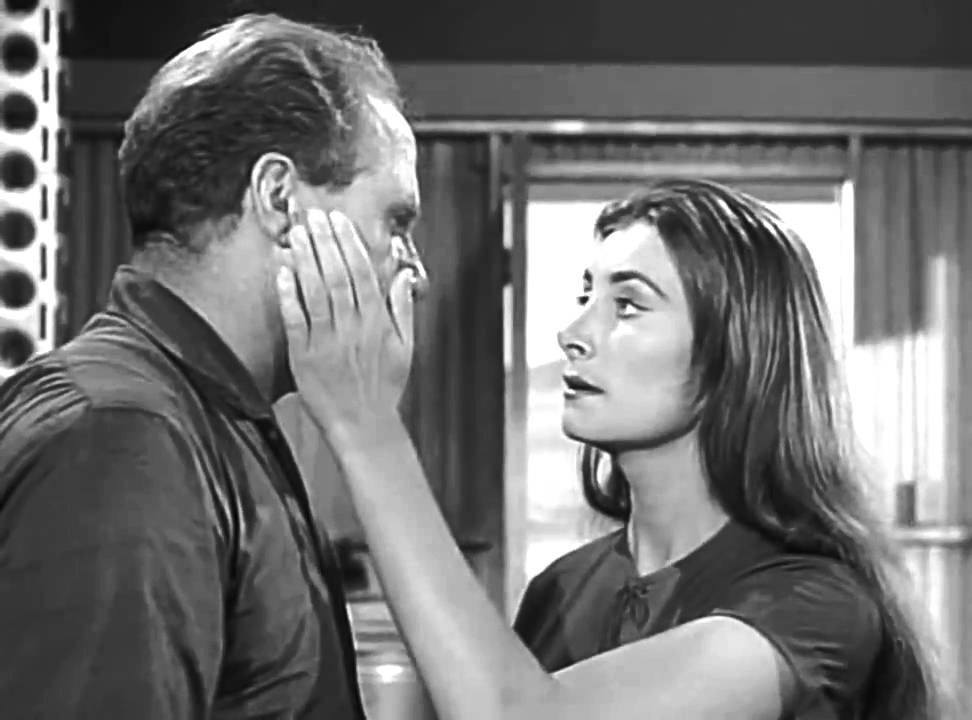
There’s an old Twilight Zone episode where a prisoner is placed on an asteroid nine million miles from Earth. Desperately lonely, he yearns to be pardoned. He longs to return to human society. Astronauts visit him only once every four months with supplies.

On one visit, he is given a humanoid robot. Alisha talks to him, keeps him company and empathizes with his situation. He falls in love with “her.”

He finds happiness with her. He tastes a contentment and satisfaction unlike any he has ever known in his life. The long hours of solitude pass like minutes as he pours out his heart to his robotic wife. Bliss among the stars.

The astronauts return with good news. The man has been pardoned! But he has to return immediately, without the robot, or forever stay on the asteroid.

What would you do?

You have all you need in solitary confinement. You have love and robotic companionship.

Do you abandon the love of your life for human society?

Don’t be greedy for nirvana. It comes anyway.

Nirvana

We have been given a rare opportunity, unlike any other in modern American history. We’re separately together. Can we find happiness on our own private asteroid?

Zen Master Dogen (d. 1255) once said, “If you can’t find enlightenment right where you are, where else do you expect to find it?”

The beautiful Buddha world is spread upon the Earth, but we do not see it. Why? We let our little mind get in the way. Our anxieties, our fears, our frustrations.

Let it go. Meditate.

If you seek for nirvana, you lose it.

If you let go, nirvana finds you.

Even in Corona Town.

Read Not The Times. Read The Eternities.

Vol. 2. April 13, 2020

Koan: How can you be one with society when there is no society?

Thoreau (d. 1862) once wrote: “Read not The Times. Read the Eternities.”

I live in the city. I’m a city mouse, not a country mouse. I prefer the hustle and bustle. But every once in a while, I like to cut out of the city and walk alone in the woods. I’ll sit beside a stream and ponder the eternal verities. Being alone in nature, the stress of society evaporates. It’s nice to breathe.

Today, however, during our societal shutdown, you don’t have to sit alone beside a pond pondering like Thoreau. Just walk out the front door, or drive down the street. Society is gone. Stores are open. Buses keep running. Society still functions, but there is no society.

It’s been quarantined.

In strange times like these, it’s natural to draw within. Meditate.

Why think out other people’s thoughts? Why study other people’s concepts? In neither case will you arrive at a true perception of your true nature.

Your true nature is Buddha-nature.

Buddha-nature embraces all things, from the most sublime god to the meanest belly-crawling creature.

As zen master Dogen once said, “When you look into the cheeks of a donkey or into the mouth of a horse, you’re looking at Buddha-nature.”

Buddha-nature embraces all things. It makes us one.

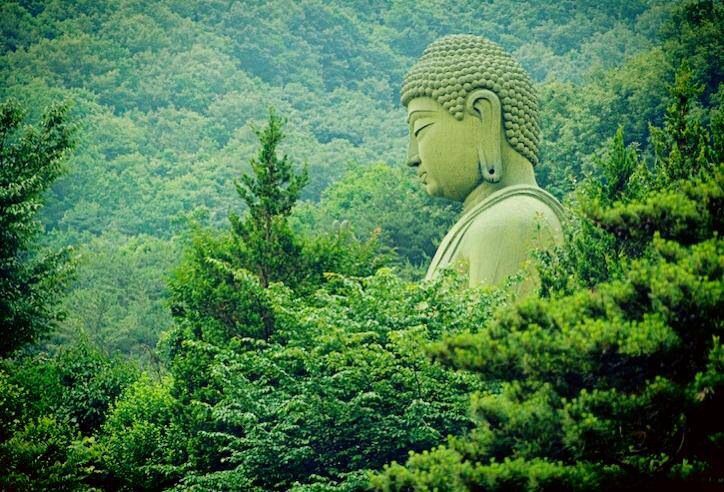
Buddha-nature

Buddha-nature is all around us. Buddha-nature is us. Buddha-nature makes us one. We are temporary. Buddha-nature is eternal.

As soon as you recognize your transcendental self, you are no longer your self. You’re greater than your self. You are Buddha-nature.

Only give up the error of intellectual thought processes, and your nature will reveal its pristine purity.

When we read the times, we create divisions and get caught up in newscasts, press briefings and health alerts. When we read the eternities, we create harmony and congratulate each other on the ever-glorious morning.

Wise advice from the Wizard of Walden: “Read not The Times. Read the Eternities.”

Learn Here that Learning is Ignorance

Vol 1. March 29, 2020

Pandemic got you down? Remember, it’s all empty.

Jack Kerouac (d. 1969) once wrote, “I’ll found a Buddhist
University and put up this frieze in front:

“HERE LEARN THAT LEARNING IS IGNORANCE.”

I live across the street from a grade school. Most mornings schoolchildren line up and wait for the doors to open. Their bright faces chirp eagerly like songbirds. The crossing guard cheerfully greets late-coming cars. The busy street whizzes with traffic going to work. The American flag waves above the scene.

Today, however, during the corona pandemic, the scene is eerily silent. The kids are gone. The street is empty. The crossing guard has vanished. Only the America flag
waves forlornly above the tomb.

Seeing that flag waving, I’m reminded of Hui-neng. One day, Hui-neng, the sixth patriarch of the zen school, found two monks arguing outside a monastery.

The first monk said, “Hey look! The flag is moving.” The second monk said, “No, the wind is moving.” “No, it’s the flag.” “No, it’s the wind.”

Hui-neng said, “Gentlemen, the only thing that’s moving is your mind.”

Normally our minds are cluttered with thoughts. Our senses are polluted with sights and sounds. We convince ourselves the world is real. We argue with one another.

But when you meditate, the world becomes pure. You see the futility of your thoughts. Sights and sounds are illusions. You arrive at peace.

The only thing that’s moving is your mind.

Emptiness


Outside my window, I see empty streets and an empty school. But the scene is empty not because of corona.

There never were any schoolchildren. There never were any flags waving. There never were any cars whizzing. The only thing that’s moving here is my mind.

When you’re a school kid, you’re eager to drink up at the fonts of knowledge.

But when you meditate, you realize knowledge is ignorance.

A Buddha is one who can look at the world and see emptiness.

If I ever found a Buddhist University, I’ll be like Jack Kerouac. I’ll put a sign out front:

HERE LEARN THAT LEARNING IS IGNORANCE.